
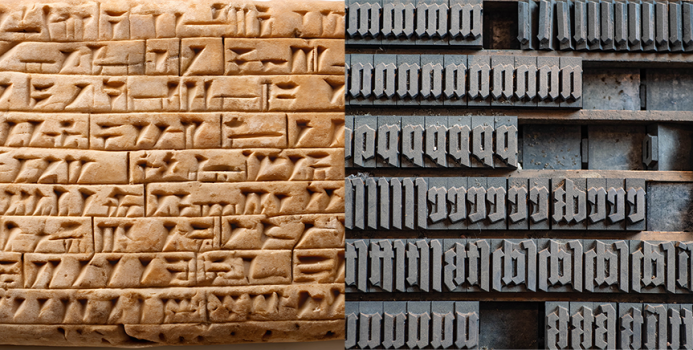
At Expert Support, we spend our days helping technology organizations organize, structure, and explain complex information. Whether we’re designing developer documentation suites, structuring API references, or helping engineering teams bridge the context gap, our focus is always on clarity, retrieveability, and scalability.
It’s tempting to view information architecture and technical communication as modern disciplines born out of Silicon Valley. But the fundamental problems we solve every day, such as how to gather, categorize, validate, store, and retrieve complex knowledge at scale, are as old as civilization itself. Long before database schemas, knowledge graphs, and digital content management systems, ancient visionaries invented the foundational essentials of knowledge engineering. We owe a lot to these folks.
Here are 10 historical figures who pioneered how humanity collects, stores, organizes, preserves, and uses knowledge. We still rely on these playbooks today.
Number 1: Ashurbanipal (c. 685–631 BCE) — The Metadata and Cataloging Pioneer
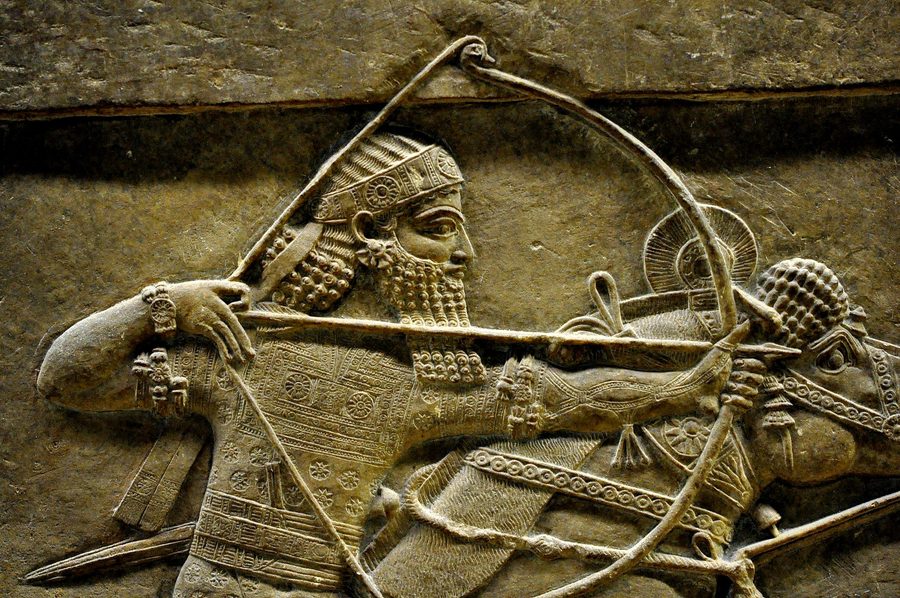
“Read the catalogue first!“
The last great king of the Neo-Assyrian Empire, Ashurbanipal established the Royal Library of Nineveh, one of humanity’s earliest systematic content repositories. Between chariot training sessions, he recognized that raw data without structure is unusable.
During his reign, scribes implemented colophons, which are notes added to the end of a cuneiform tablet detailing titles, ownership, original sources, scribe names, and line counts. This was the birth of bibliographic metadata. Tablets were classified by subject (astronomy, medicine, mythology) and stored in designated rooms, creating a structured, searchable archive of over 30,000 texts.
Number 2: Panini (c. 6th-4th Century BCE) — The System Syntactician
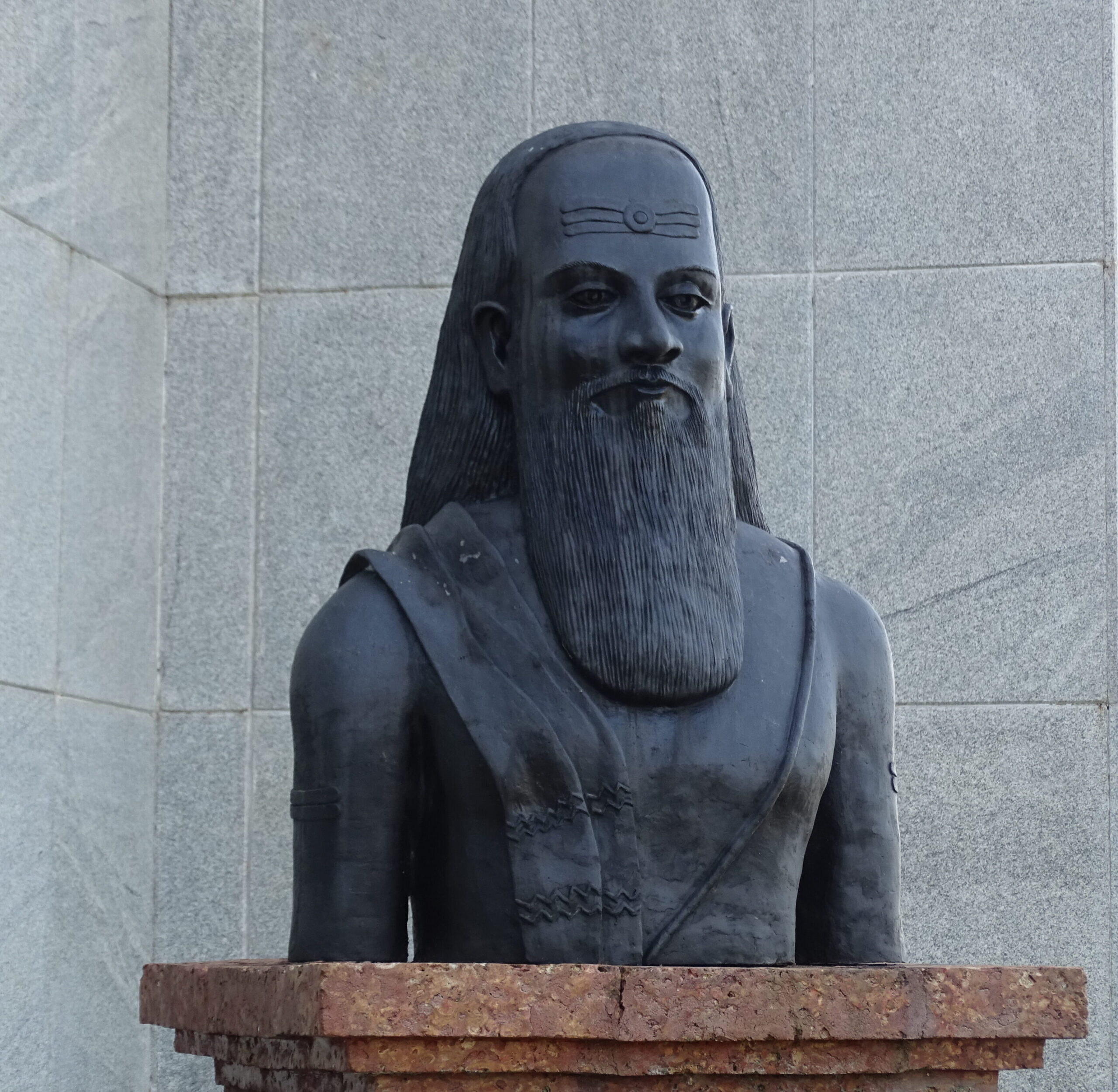
“I’ve got tasty information modeling.”
Our next pioneer is Panini, the Indian scholar (not to be confused with panini, the Italian sandwich.)
Long before computer scientists created formal grammars and programming languages, Panini authored The Book of 8 Chapters, a definitive treatise on Sanskrit grammar. With nearly 4,000 generative rules, Panini used auxiliary symbols, metalanguage, and recursive structures to codify language. His work stands as one of the earliest examples of formal information modeling, proving that complex communication systems require underlying logic and rigorous syntax to remain maintainable while simultaneously making us hungry.
Number 3: Zenodotus of Ephesus (c. 330?–260? BCE) — The Indexing and Data Validation Innovator
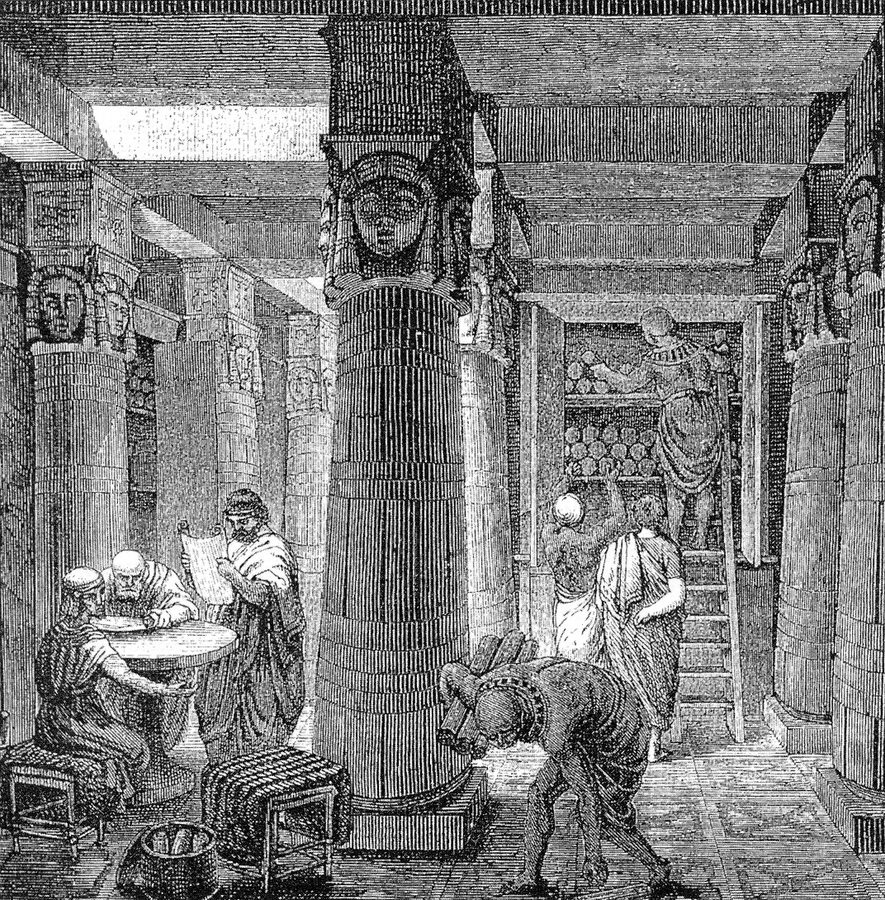
The greatest of all time?
Potentially the GOAT. As the first recorded head librarian of the Library of Alexandria, Zenodotus introduced a mechanism we take for granted today: alphabetical ordering. By organizing texts based on the first letter of the author’s name, he replaced chaotic visual scanning with an algorithmic lookup system.
Zenodotus also pioneered textual criticism by developing markup symbols to flag dubious lines in Homeric manuscripts, making him an early precursor to data validation and editorial version control.
Number 4: Callimachus of Cyrene (active c. 310–240 BCE) — The Original Information Architect
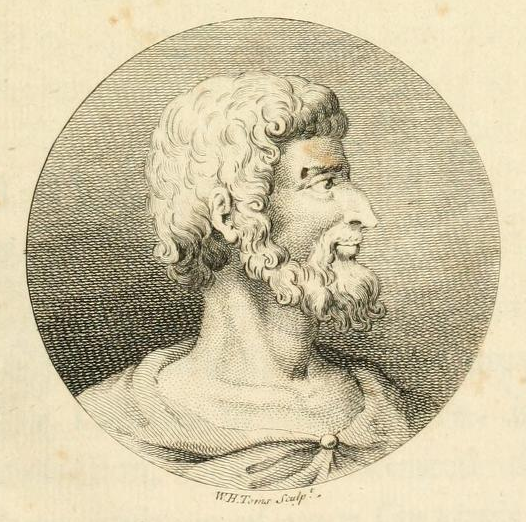
“Keeping it clean is vital.”
A tidy-minded scholar at the Library of Alexandria, Callimachus authored the Pinakes (Tables), a monumental 120-volume bio-bibliographical catalog of the library’s hundreds of thousands of papyrus scrolls. Callimachus divided works into major subject categories (poets, philosophers, historians, law) and subdivided them alphabetically with biographical context and line counts. The Pinakes was effectively the world’s first comprehensive library catalog and domain taxonomy.
Interestingly, you may be under the impression the Library of Alexandria was lost when Julius Caesar burned it to the ground. While there may have been an extensive fire, historians now generally believe the library fell into disrepair over the years due to insufficient funding, ending the era of a library staff called the “custodians of learning.”
Number 5: Cai Lun (c. 50–121 CE) — The Hardware Storage Medium Reformer
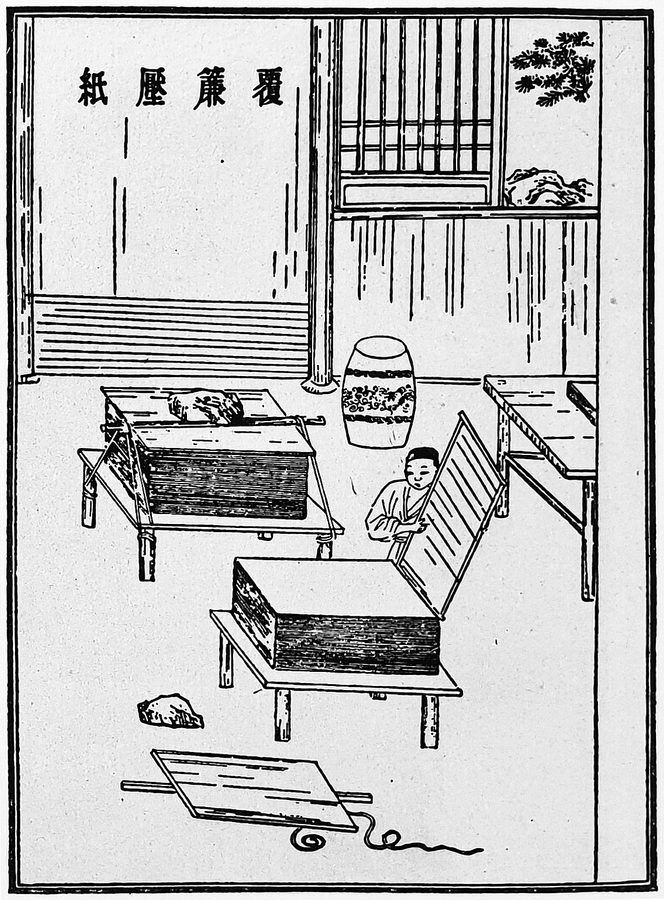
“It’s called ‘paper,’ Jack.”
A Han Dynasty official with an eye for accessibility, Cai Lun standardized and scaled the manufacturing process for paper by leveraging available materials like bark, hemp, and rags. Prior to paper, Chinese texts were written on heavy bamboo strips or expensive silk. Cai Lun’s innovations dramatically lowered the cost and increased the portability and longevity of physical information storage. Doing so transformed documentation from a rare luxury item into a scalable medium across the empire and beyond.
Number 6: Ibn al-Nadim (c. 932–995 CE) — The Grand Bibliographer
“I’m telling you, just look it up!”
Go big or go home could have been this scholar and bookseller’s motto. During the Islamic Golden Age in Baghdad, Ibn al-Nadim compiled the Kitab al-Fihrist (The Book Index). This monumental work aimed to catalogue every book written in or translated into Arabic across science, philosophy, religion, and literature. Ibn al-Nadim structured his directory into ten major categories, providing critical biographical context, source evaluations, and subject cross-references, creating an indispensable index of global intellectual output.
Number 7: Ibn Sina, a.k.a. Avicenna (c. 980–1037 CE) — The Modular Knowledge Architect
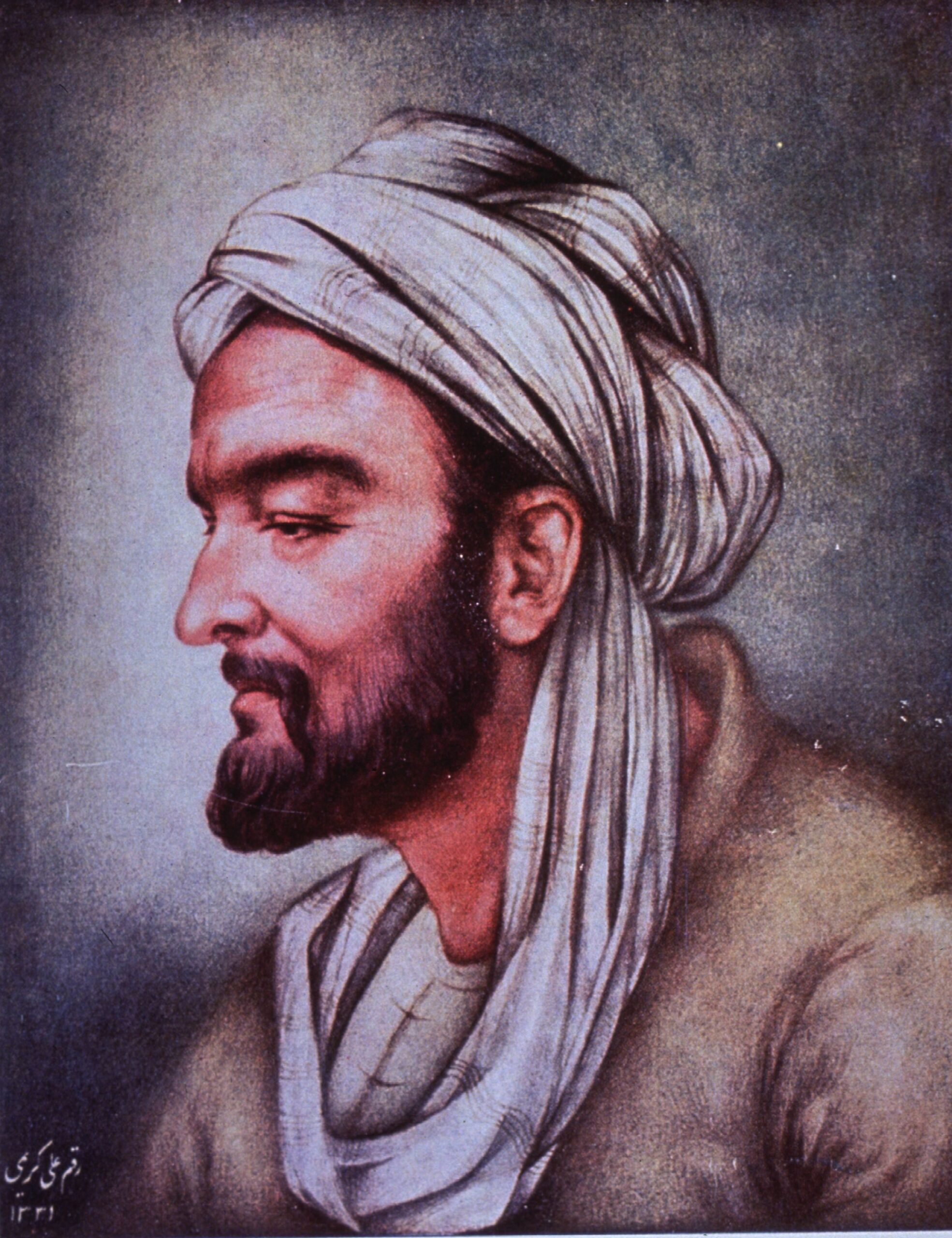
“Let’s make a few things perfectly clear.”
Going deep matters for context that leads to accuracy. This Persian polymath authored Al-Qanun fi al-Tibb (The Canon of Medicine). This encyclopedia structured medical knowledge and for over six centuries was an authoritative resource for doctors. This book was revolutionary because of strict modular and hierarchical taxonomy. Ibn Sina organized medical science into not just books, but sections, sub-sections, and chapters, separating anatomy, pharmacology, pathology, and therapy into logical units. It remains a masterclass in structuring dense, technical material for clear reference and practical application.
Number 8: Bi Sheng (died 1051 CE) — The Modular Typesetting Pioneer
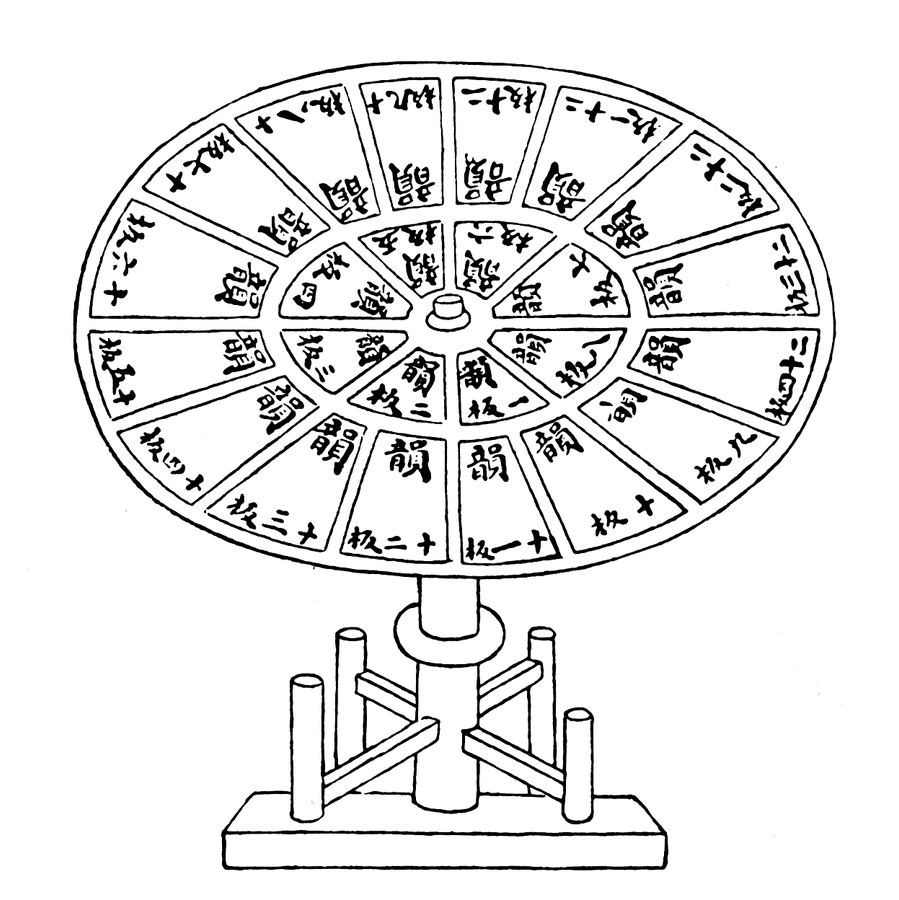
“How about a little credit here?”
Four centuries before Gutenberg’s printing revolution, Song Dynasty artisan Bi Sheng invented movable type using baked clay characters set on an iron plate. Rather than carving entire pages into static wooden blocks, Bi Sheng modularized typography into reusable components. This shift from static page blocks to component-based publishing laid the technological groundwork for scalable information replication and distribution.
Number 9: Vincent of Beauvais (c. between 1184 and 1194–1264 CE) — The Pre-Modern Knowledge Base Curator
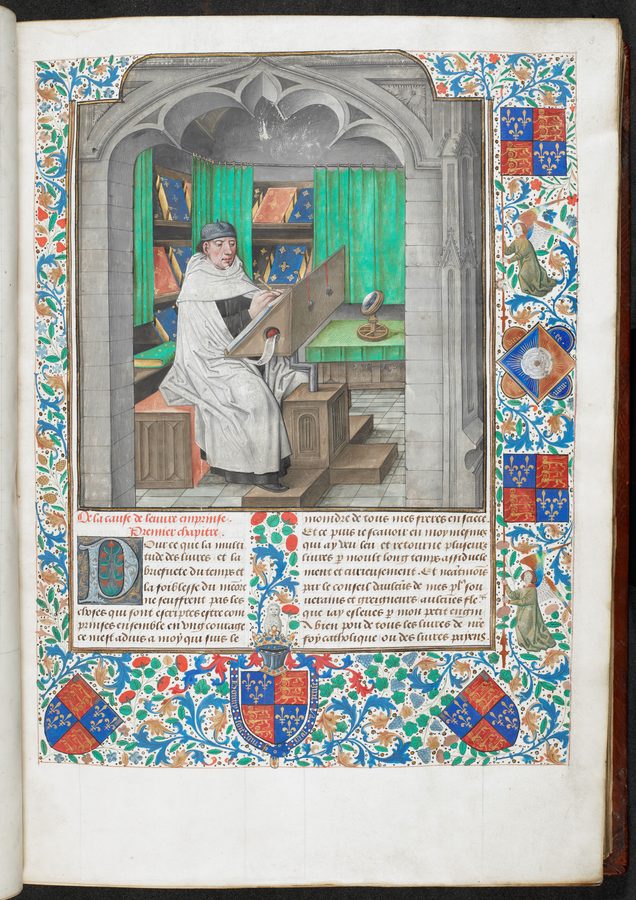
“I call it a ‘search engine. ‘”
A life of contemplation apparently wasn’t enough for this French Dominican friar. Vincent of Beauvais compiled the Speculum Maius (The Great Mirror), the largest encyclopedia of the Middle Ages. Containing over 3 million words across three main categories of nature, doctrine, and history. To do so, Friar Vince aggregated classical, Arabic, and Christian scholarship. He organized this vast content with detailed tables of contents, alphabetical indexes, and systematic topic headers, demonstrating how content curation transforms scattered data into a usable reference engine.
Number 10: Johannes Gutenberg (c. between 1393 and 1406–1468 CE) — The Mass Dissemination Catalyst
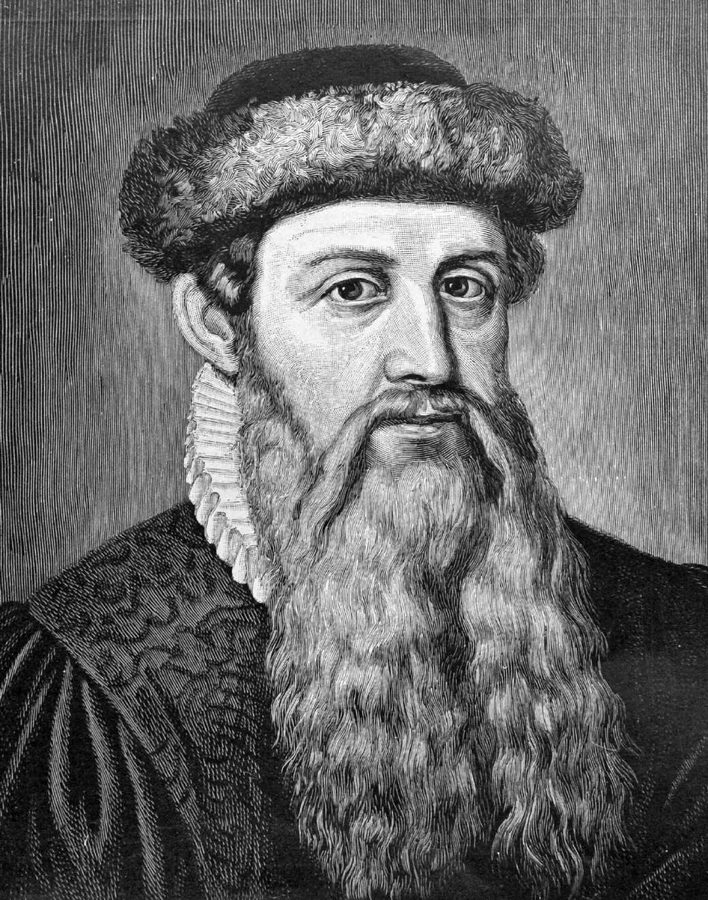
“Getting it out there is critical.”
Pen and ink for publishing, begone! You’re undoubtedly familiar with this guy from Mainz, Germany. You also probably know that Johannes Gutenberg combined durable oil-based inks, a hand mold for uniform metal type, and a modified wooden screw press to create mechanical movable-type printing.
Gutenberg’s press turned document production into an industrial process. By dramatically reducing production costs and eliminating copying errors, Gutenberg made and popularized technical and cultural knowledge rapidly so it became replicable, scalable, and resilient against loss. The press also made books affordable to more than just the very wealthy.
Communications Transformation Rests Upon Solid Pillars
In today’s modern world, it often feels like the challenges we face are original and groundbreaking. But it’s somehow comforting to realize we stand on the shoulders of these (and many other) pioneers. People have been working to collect, organize, and analyze knowledge for centuries, just as we are today for the people and AI systems who need it. We’re just the latest in a long line of people working to understand and explain the complexity of our world.
To find out how we leverage expertise for documentation, UX, and technical marketing, give us a shout. We’d love to talk with you about how we can support your efforts.